
How to Choose the Right Online Yoga Class Without Overthinking It
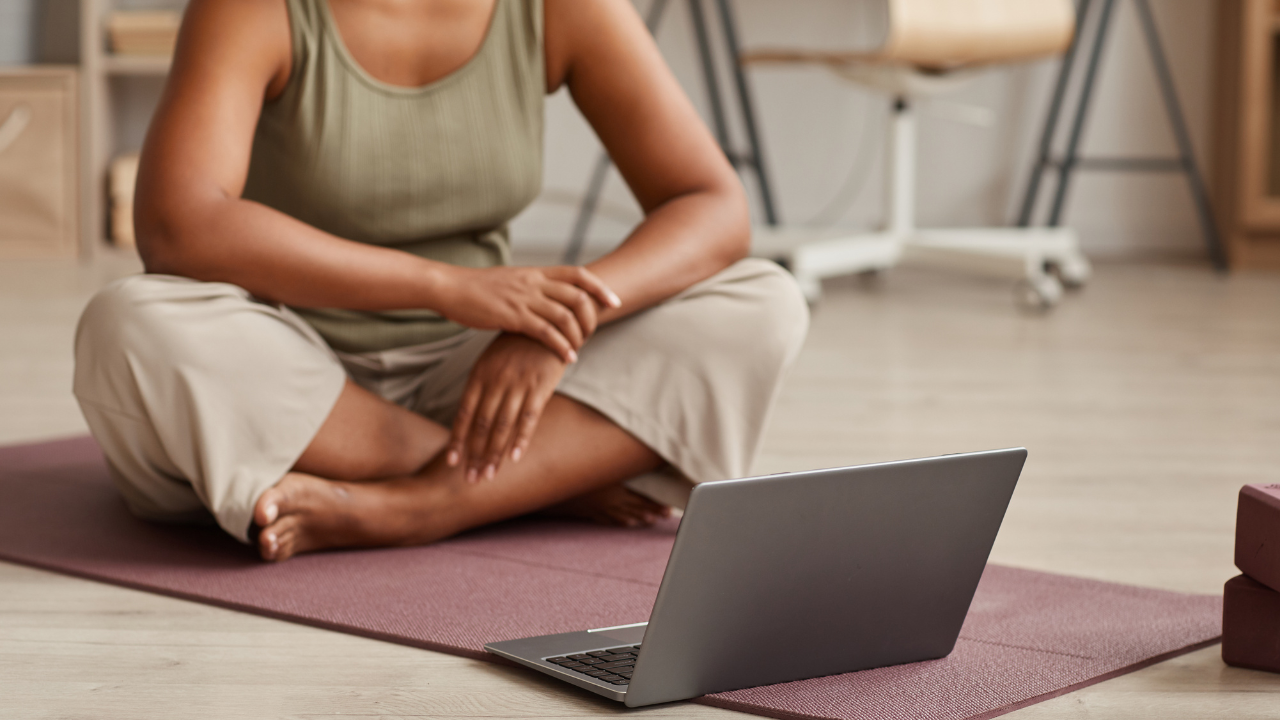
If you’ve ever opened an online yoga studio, scrolled for a while, and then closed your laptop without practicing, you’re not alone.
Most people assume the problem is motivation or discipline. In my experience, it’s usually something else.
The decision just feels like too much.
Why Choosing a Yoga Class Feels Harder Than It Should
When you’re dealing with stiffness, pain, fatigue, or stress, decision-making takes more energy than people realize.
On top of that, most of us have absorbed the idea that we should already know what kind of yoga we “should” be doing. Stronger. Deeper. More consistent. More intentional.
That pressure turns a simple choice into a mental negotiation.
You Don’t Need a Yoga Plan. You Need a Signal.
Here’s the reframe that changes everything.
You don’t need a weekly yoga plan or to map out the “right” progression.
You need a signal from your body.
A signal is not a big intuitive insight or a perfectly calm inner voice. It’s usually very ordinary.
What a Body Signal Actually Feels Like
A signal might sound like:
-
My neck feels compressed and uncomfortable.
-
I’m tired in a way that sleep didn’t fix.
-
I want to move, but I don’t want to get on the floor today.
-
Everything feels stiff and a little guarded.
-
I have more energy than I expected.
That’s it. That’s the information you’re looking for.
How to Choose the Right Yoga Class Based on What’s Here
Once you notice the signal, the next step is simple: respond to it.
If you’re dealing with a specific area of discomfort, a focused, supportive class is often the best place to start.
If you’re low on energy or feeling overwhelmed, a gentler or slower-paced practice can help regulate your system.
If decision fatigue is the biggest issue, a short, pre-selected class removes friction entirely.
If you’re feeling steady and curious, a beginner-friendly full-body class gives you room to explore.
Notice that none of this requires pushing, forcing, or doing more than you’re ready for.
Why This Approach Builds a Sustainable Yoga Practice
Consistency doesn’t come from having the perfect plan. It comes from responding to your body often enough that it starts to trust you.
When your body learns that you’ll listen instead of override, showing up gets easier. Not because you’re more disciplined, but because practice stops feeling like a demand.
This is how people move from starting and stopping to practicing in a way that actually lasts.
Ready to Go Deeper?
If you found this helpful and want reminders like this in your inbox, you can join my email list for free. I share grounded reflections, simple movement ideas, and practical ways to stay connected to your body without pressure.
If you’re ready for movement support, you can explore the Yoga In Your Living Room Online Studio with a 2-week free trial, or take a look at Re-Wire or Fix Your Posture if you want a more focused place to start.
You don’t need to overhaul your life. You just need a place to begin.
Meet your guide

